Why do wine bottles have different shapes?
The first wine bottles were developed long before modern labels existed. Over time, each wine region adopted its own distinctive bottle shape based on wine styles, local traditions, practical needs and regional identity.
Today, bottle shapes help consumers quickly recognise certain wine styles, even before reading the label.

Burgundy bottle
The Burgundy bottle is characterised by its sloping shoulders and wide body.
It is traditionally used for red wines made from pinot noir and white wines made from chardonnay, and many producers around the world have adopted this shape for these grape varieties.
Its rounded silhouette has become one of the most recognisable bottle designs in the wine world.
Bordeaux bottle
The Bordeaux bottle features high shoulders and straight sides.
It is most commonly used for red wines made from blends of cabernet sauvignon and merlot, as well as many white Bordeaux wines.
The high shoulders serve a practical purpose: they help trap sediment while pouring. This makes the Bordeaux bottle particularly well suited to structured, tannic wines that are intended for long ageing and naturally develop sediment over time.
Champagne bottle
The Champagne bottle is easily recognised by its thick glass and deep punt (the indentation at the base).
Unlike still wine bottles, it is specifically designed to withstand the high pressure created by dissolved carbon dioxide in sparkling wines. The thicker glass and reinforced shape safely contain the pressure generated by the bubbles during secondary fermentation.
Although closely associated with Champagne, similar bottles are also used for many traditional method sparkling wines around the world.
Alsace (German) bottle
The Alsace bottle is tall, slender and elegant.
It is traditionally used for aromatic white wines such as riesling and gewürztraminer, and similar bottles are widely used throughout Germany and other parts of Central Europe.
Its slim design has become a hallmark of aromatic white wines and reflects centuries of regional tradition.
Provence bottle
The Provence bottle has straight sides with soft, elegant curves, giving it a refined appearance.
It is most commonly associated with rosé wines from Provence, although many rosé producers worldwide now use similar bottle designs.
Its elegant silhouette highlights the delicate colour of rosé wines and has become part of Provence's visual identity.
Jura bottle
The Jura bottle resembles a Burgundy bottle but is generally shorter and squarer.
It is traditionally used for wines produced in the Jura region of eastern France and reflects the region's unique winemaking heritage.
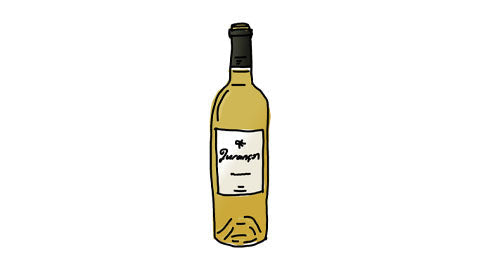
Jura Clavelin bottle
The Clavelin is one of the world's most distinctive wine bottles.
Unlike a standard wine bottle, it holds 62 cl instead of 75 cl and is used exclusively for Vin Jaune from the Jura.
This unusual capacity reflects the amount of wine typically remaining from an original 75 cl bottle after more than six years of ageing in barrel. During this time, part of the wine naturally evaporates —a phenomenon known as the angel's share— leaving approximately 62 cl of wine to be bottled.
The Clavelin is therefore not just a bottle shape but also a symbol of Vin Jaune's unique ageing process.
Does bottle shape affect the wine?
In most cases, bottle shape has very little influence on the wine itself. Instead, it reflects regional traditions and, in some cases, practical considerations.
For example:
- The high shoulders of Bordeaux bottles help retain sediment.
- The thick glass of Champagne bottles withstands internal pressure.
- The 62 cl Clavelin reflects the natural evaporation that occurs during Vin Jaune ageing.