Saint-Émilion in brief
- 2 appellations: AOP Saint-Émilion & AOP Saint-Émilion Grand Cru
- 100 % red wines
- Key grape varieties: merlot, cabernet franc, cabernet sauvignon
Saint-Émilion in 5 facts
1️⃣ Appellations
Saint-Émilion has two appellations: Saint-Émilion AOC and Saint-Émilion Grand Cru AOC, officially recognised in 1936 and 1954.
Saint-Émilion AOC is the main appellation and represents most of the production, covering around 5 400 hectares.
Saint-Émilion Grand Cru AOC comes from the same geographic area but follows stricter rules, including lower yields and higher minimum alcohol levels.
Only red wines are produced under both appellations.
2️⃣ Grape varieties
Merlot is the dominant grape variety and forms the backbone of most blends. It brings roundness, ripe fruit flavours and a smooth, generous mouthfeel. Cabernet franc plays an important supporting role, adding freshness, structure and floral aromas.
3️⃣ Classification
Saint-Émilion has a unique classification system that applies to individual estates rather than vineyard sites. It was first created in 1955 and is revised roughly every 10 years. Today, 85 estates are classified: 2 Premiers Grands Crus Classés A (Figeac and Pavie), 12 Premiers Grands Crus Classés B, and 71 Grands Crus Classés.
4️⃣ UNESCO
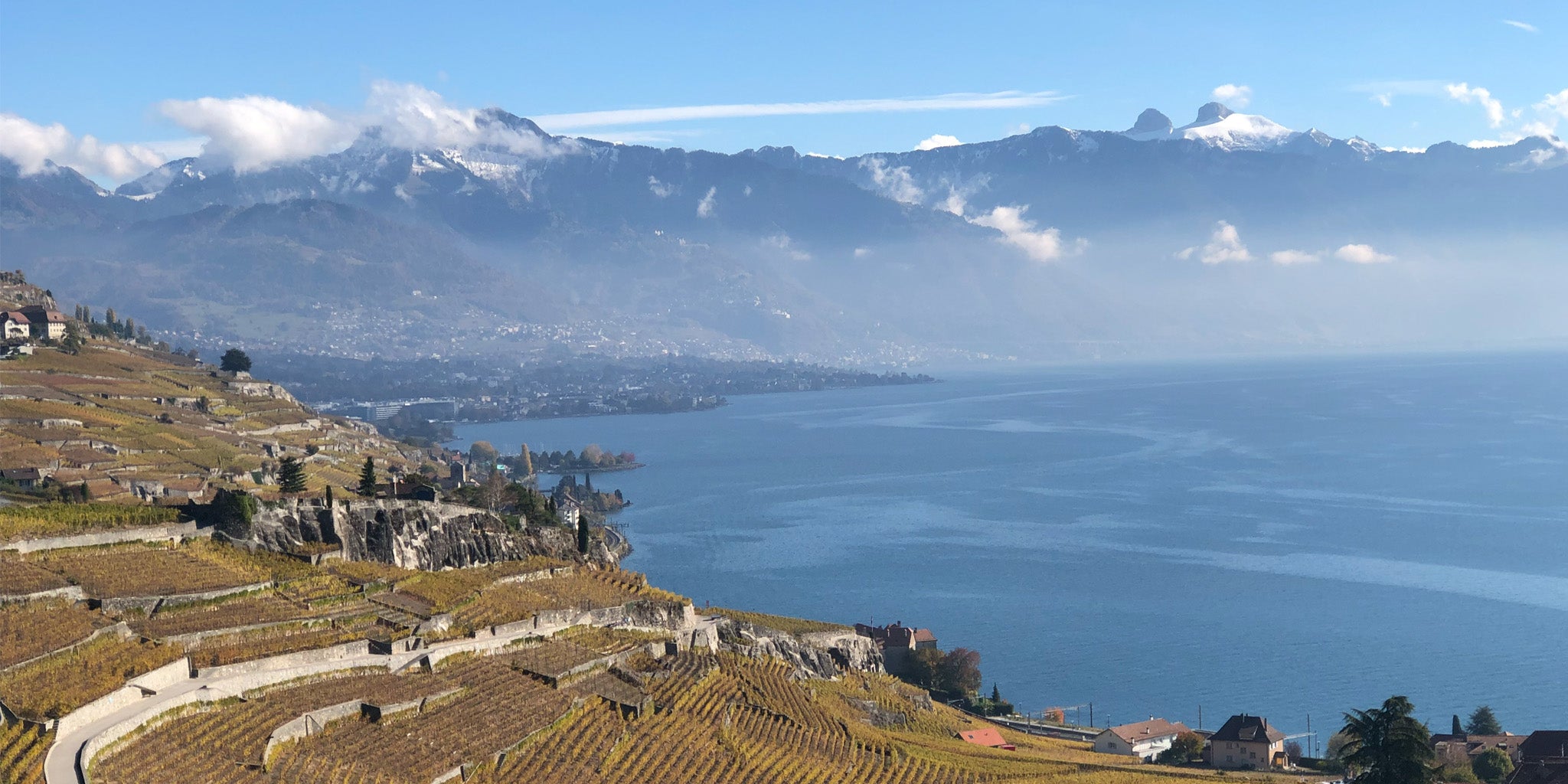
Saint-Émilion is listed as a UNESCO World Heritage Site for its historic vineyard landscape.
The designation includes both the medieval village and the surrounding vineyards.
5️⃣ Iconic estates
Saint-Émilion is home to some of Bordeaux’s most prestigious châteaux. Estates such as Château Cheval Blanc, Château Ausone and Château Pavie are internationally recognised.