In very brief
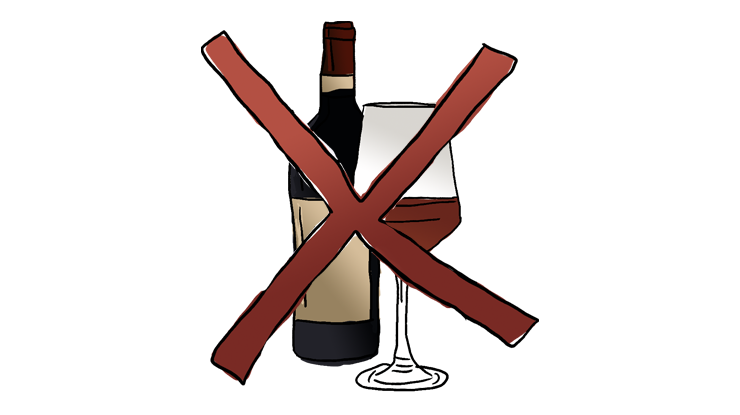
Prohibition (1920–1933) was a period in the United States when making, selling and transporting alcoholic drinks, including wine, was illegal.
Why did it happen?
Instead of simply passing an ordinary law (e.g. in a few states), supporters of Prohibition wanted to change the US Constitution, the country's most important legal document. This required a constitutional amendment.
The 18th Amendment was approved in 1919 and came into effect in 1920. It banned the production, sale and transportation of alcohol across all the United States.
The main goal was to reduce problems associated with alcohol, such as crime, violence and poverty. The movement was particularly strong among religious groups and other groups that wanted people to drink less alcohol, especially in parts of the Midwest and South of the country.
The impact of Prohibition
Prohibition did not stop Americans from drinking. Instead, many people found illegal ways to buy alcohol.
Secret bars called speakeasies became popular, especially in big cities such as New York and Chicago. People could enter these hidden or disguised bars and buy alcohol illegally. Historians believe there were many thousands of speakeasies across the country, although nobody knows the exact number.
Prohibition also helped organised crime grow. Criminal groups started making and selling alcohol illegally because there was a huge demand for it.
This illegal business could make criminals extremely rich. Rival criminal groups sometimes fought over control of the alcohol trade, leading to more violence and gang wars.
One of the most famous gangsters of this period was Al Capone, who operated mainly in Chicago.
The government tried to stop the illegal production and sale of alcohol, but enforcing the law across the entire country was extremely difficult.
As the years passed, more Americans began to question whether Prohibition was actually working.
How did it end?
By the early 1930s, support for Prohibition was declining. Alcohol was still widely available illegally, organised crime had become more powerful, and the government was losing the tax money it could have collected from legal alcohol sales.
There was also a major economic crisis called the Great Depression, which began in 1929. Many Americans were unemployed and businesses were struggling. Some people believed that legalising alcohol could create jobs and give the government more tax revenue.
In 1933, the US government approved the 21st Amendment. The 21st Amendment cancelled the 18th Amendment, so Prohibition officially ended in December 1933.
In the end, Prohibition showed that banning something popular can sometimes create unexpected problems. Instead of eliminating alcohol, it created a huge illegal market and helped organised crime become more powerful.